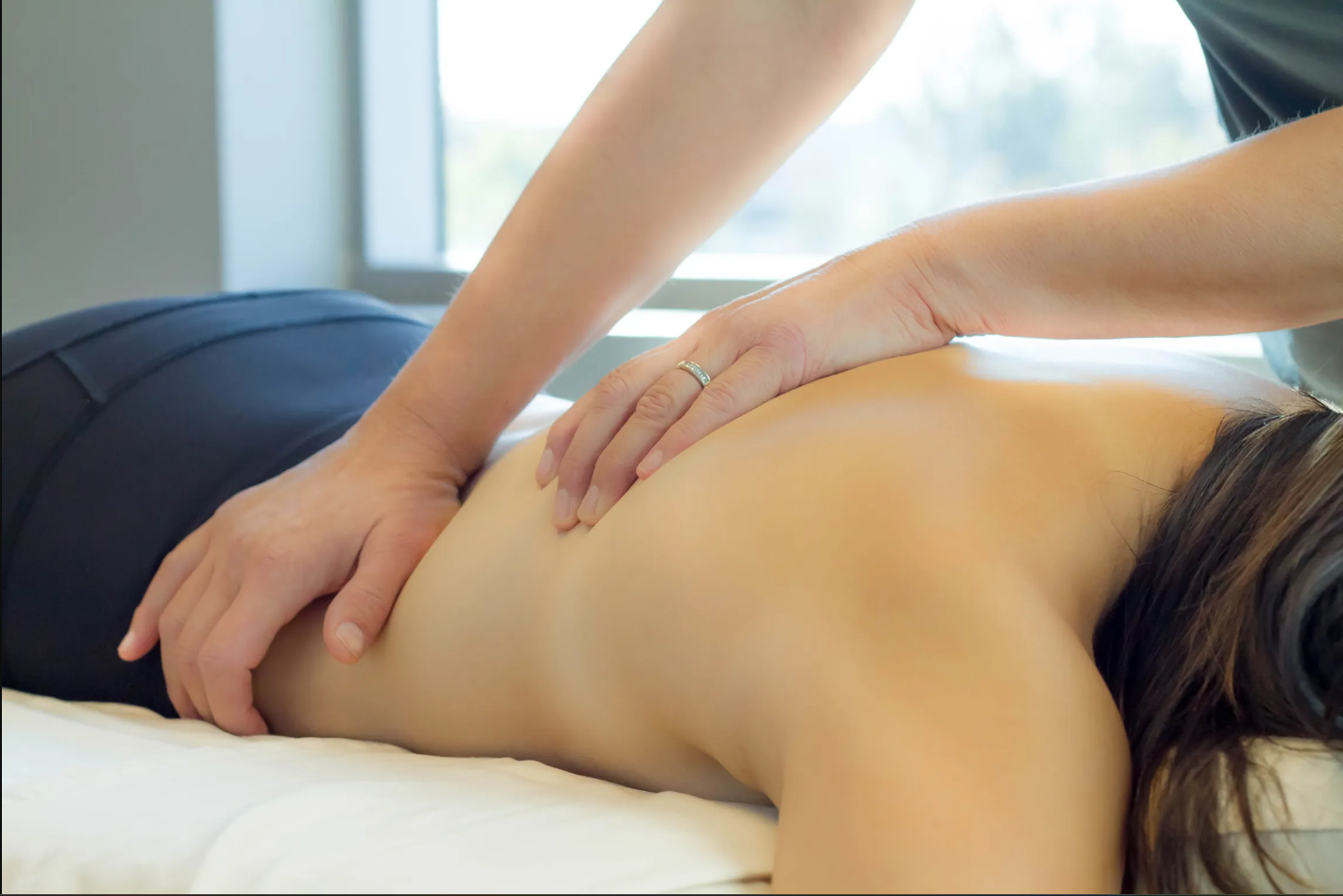
Massage benefits start the moment a session ends, and most people can feel them within two days.
Massage therapy is the hands-on pressing, kneading, and stretching of muscles, fascia, tendons, and other soft tissues to ease pain and calm the body.
This guide explains the physical benefits you can expect, from muscle tension relief to better blood flow.
It also covers the mental benefits, such as lower stress levels, a steadier mood, and better sleep quality.
It is written for desk workers, weekend athletes, people living with chronic pain, and anyone thinking about adding regular massage sessions to their self-care.
What Massage Therapy Is and How It Works
Massage therapy works by applying pressure, friction, and stretch to the body’s soft tissues.
A massage therapist works on muscles, fascia (the thin wrap around each muscle), tendons, ligaments, and skin.
Pressure warms and softens these tissues, which helps stuck muscle fibers slide past each other again.
Slow strokes lengthen short, guarded muscles and loosen stiff spots that limit joint mobility.
The nervous system drives much of the response.
Touch receptors in the skin send signals that quiet the “fight or flight” side of the nervous system and turn up the “rest and digest” side.
That shift is why many clients feel relaxed, heavy, or sleepy on the table.
You can compare the hands-on styles behind these massage benefits before you book, since each technique targets the body a little differently.
How Massage Improves Blood Flow and Circulation
Massage improves circulation by pressing blood and fluid out of the tissues, then letting fresh blood rush back in.
Each long stroke pushes blood out of the small vessels under the therapist’s hands.
When the pressure lifts, blood flow returns to the area and carries oxygen and nutrients with it.
Better blood circulation also helps clear metabolic waste that builds up in hard-working muscles.
At the smallest level, massage can open more capillaries, the tiny vessels that feed each muscle fiber.
More open capillaries mean better oxygen delivery to tissue that is trying to heal.
Increasing circulation this way is one reason massage supports faster recovery after a hard workout or a minor strain.
Health Benefits of Massage Therapy for the Whole Body
The health benefits of massage reach past sore muscles into the heart, the metabolism, and overall wellness.
- Heart and vessels: A calmer nervous system can slow the heart rate and ease strain on blood vessels.
- Blood pressure: Some small studies report short-term drops in blood pressure after a session, which may help people managing high blood pressure alongside medical care.
- Metabolism: Chronic stress raises cortisol, which affects blood sugar and appetite, so lowering stress may support metabolic health, though direct evidence is still limited.
- Movement: Looser muscles and better joint mobility make everyday tasks like reaching, bending, and walking easier.
The benefits of massage therapy add up to better physical health, more energy, and stronger physical well-being.
Massage does not replace medication or medical treatment.
It does fit well into wellness routines that already include exercise, good food, and enough sleep.
Mental Health Benefits You Can Feel After One Session
Massage lowers cortisol levels, the body’s main stress hormone, and that drop is one of the clearest mental health benefits.
A 2005 review in the International Journal of Neuroscience by Tiffany Field and colleagues found that cortisol fell by an average of 31% after massage across the studies it covered.
The same review found that serotonin rose by an average of 28% and dopamine by 31%.
Higher serotonin levels and dopamine support mood, motivation, and a sense of calm.
These chemical shifts help explain why massage can reduce anxiety and ease symptoms of depression.
Lower stress also supports emotional balance, emotional well-being, and mental well-being over time.
People who may gain the most from this kind of mental health support include those with:
- Work-related stress or burnout
- Generalized anxiety
- Mild to moderate depression, alongside professional care
- Grief or emotional tension held in the body
- Sleep problems tied to stress
Mental and physical health are closely linked, so alleviating stress often loosens tight shoulders and a clenched jaw too.
If stress is your main reason for booking, this beginner’s guide to massage for stress relief walks through what to expect.
Mental Clarity, Focus, and Better Sleep
Massage can improve mental clarity because a calmer nervous system frees up attention that stress was using.
When stress levels drop, racing thoughts slow down.
Many clients say they focus and concentrate better for several hours after a session.
Timing makes a difference.
A late afternoon or early evening session can promote relaxation and lead to restful sleep, and better sleep sharpens focus the next day.
A 15-minute chair massage on a midday break can reset attention for the rest of the workday.
Before a big exam or presentation, book a session a day or two ahead instead of an hour before, because some people feel drowsy right after deep work.
Chronic Pain, Muscle Pain, and Pain Relief
Massage helps relieve pain by easing muscle tension, improving blood flow, and calming pain signals in the nervous system.
For chronic pain, massage works best as one part of a wider pain management plan.
A 2015 Cochrane review of massage for low back pain found that massage improved pain and function in the short term, but the benefit faded at longer follow-up.
The same review found only minor side effects.
These techniques are the most common choices for muscle pain:
- Deep tissue massage: Slow, firm pressure reaches deeper layers to release adhesions and old scar tissue.
- Trigger point therapy: Focused pressure on tight knots eases pain that spreads to other areas.
- Myofascial release: A steady, gentle stretch loosens stiff fascia.
- Swedish strokes: Lighter, flowing strokes warm the tissue and reduce pain before deeper work.
Here is what short-term and long-term pain relief usually looks like:
| Timeframe | What to expect |
|---|---|
| First few hours | Less muscle tension, looser joints, lower pain |
| 24 to 48 hours | Possible mild soreness after deep work, then easier movement |
| Several weeks of regular sessions | Fewer flare-ups and better range of motion for many people with chronic back pain |
For a closer look at deeper pressure, read how deep tissue work helps with chronic pain and injury recovery.
Immune Function, Lymphatics, and Recovery
Massage may give the immune system a small but measurable boost.
A 2010 study in the Journal of Alternative and Complementary Medicine found that one 45-minute Swedish massage raised the number of circulating lymphocytes, a type of white blood cell, compared with light touch.
The same study found lower levels of vasopressin and cortisol, two hormones tied to stress.
The researchers called these results preliminary, so the effect on immune function needs more study.
Lymphatic drainage is a very gentle technique that moves lymph fluid toward the lymph nodes.
The lymphatic system has no pump of its own, so light, rhythmic strokes can help reduce swelling after an injury, surgery, or a long flight.
Massage also supports recovery after hard exercise.
A 2012 study in Science Translational Medicine found that 10 minutes of massage after muscle-damaging exercise reduced inflammatory signals in the muscle tissue of 11 young men.
That finding may explain why massage eases delayed soreness and supports the body’s ability to repair itself.
Types of Massage Therapy and When to Use Them
The right technique depends on your goal, your pain level, and how much pressure you enjoy.
| Technique | Best for | Pressure |
|---|---|---|
| Swedish | First-timers, stress relief, better sleep | Light to medium |
| Deep tissue | Chronic back pain, stubborn knots, scar tissue | Firm |
| Sports | Athletes, training recovery, flexibility | Varies |
| Hot stone | Deep relaxation, tense muscles that resist pressure | Medium |
| Prenatal | Pregnancy aches and swelling | Gentle to medium |
| Lymphatic drainage | Swelling and post-surgery recovery | Very light |
Choose specialized techniques when a general massage stops helping or when you have a specific condition.
Ask your surgeon before booking lymphatic drainage after an operation.
Book prenatal work only with a therapist trained in safe pregnancy positioning.
If you are torn between the two most popular styles, this comparison of deep tissue vs Swedish massage breaks down the differences.
What the Research Says About the Benefits of Massage
The research on the benefits of massage is promising for pain and stress, but much of it is small and short-term.
- Systematic reviews: The 2015 Cochrane review on low back pain found short-term gains in pain and function, with no lasting effect.
- Clinical trials: Single-session trials show measurable drops in stress hormones and rises in immune cells within hours.
- Specific conditions: The National Center for Complementary and Integrative Health reports that massage may help neck and shoulder pain and knee osteoarthritis in the short term, and may ease fibromyalgia symptoms when continued for at least five weeks.
The same federal summary is honest about the gaps.
Many studies are small, follow people for only a few weeks, and compare very different techniques.
Massage is also hard to “fake” for a placebo group, which makes blinding difficult.
So the proven benefits are strongest for short-term pain relief and stress relief, and weaker for long-term outcomes.
Frequency, Safety, and Contraindications
For general wellness and to reduce stress, one or two sessions a month is a common starting point.
For chronic conditions or training recovery, weekly or every-other-week sessions for the first month, then tapering, is a typical plan.
Massage is low-risk for most healthy adults.
Rare serious problems such as blood clots, nerve injury, and bone fractures have been reported, mostly after vigorous massage or in people at higher risk.
Talk with your primary healthcare provider before a session if you have:
- A history of blood clots or deep vein thrombosis
- A bleeding disorder or take blood thinners
- A recent surgery, fracture, or fresh injury
- Open wounds, burns, rashes, or a skin infection
- A fever or contagious illness
- Cancer, especially during treatment
- Uncontrolled high blood pressure or a heart condition
- Osteoporosis or a high-risk pregnancy
Never use massage to put off seeing a doctor about new, sharp, or worsening pain.
Integrating Massage Into Healthcare and Self-Care
Massage works best when it supports the rest of your care, not when it stands alone.
If you are in physical therapy, share your therapist’s goals with your massage therapist so both plans line up.
A lighter massage before rehab can loosen tissue, while heavy deep tissue work is better saved for a non-rehab day.
These self-massage tools help between sessions:
- A foam roller for thighs, calves, and the upper back
- A firm massage ball for feet, hips, and shoulder blades
- A cane-style hook tool for hard-to-reach knots
- A handheld percussion device for quick warm-ups
Track your results so you know the sessions are working.
Rate your pain from 0 to 10, your stress level, and your sleep hours before each session and again 48 hours later.
After four to six weeks, the log will show whether your current schedule is helping.
Practical Guide: Finding a Therapist and What to Expect
Use this checklist to pick a massage therapist:
- Confirm a current license, since 45 states and Washington, DC regulate massage therapy.
- Ask about training in the technique you need, such as deep tissue or prenatal.
- Expect a health history form before the first session.
- Look for clear prices and a clear cancellation policy.
- Choose someone who checks in about pressure and comfort.
A typical session follows a simple flow.
You fill out an intake form and talk briefly about your goals and pain points.
The therapist leaves the room while you undress to your comfort level and get under the sheet.
The hands-on work lasts most of the booked time, and the therapist checks pressure along the way.
Afterward, you get a few minutes to dress, drink water, and ask questions.
Common session lengths are 30, 60, and 90 minutes, and chair sessions often run 10 to 20 minutes.
Published US price guides put a 60-minute massage at roughly $50 to $150.
Prices land at the high end in large cities and for specialty work like hot stone, and at the low end in smaller markets and clinic settings.
Quick Comparison of Key Benefits
| Benefit | What it does | When you notice it |
|---|---|---|
| Pain relief | Eases muscle pain and tense muscles, the main clinical benefit | Within hours |
| Improved circulation | Boosts blood flow and oxygen delivery to tissue | During and right after |
| Mental health | Lowers cortisol, lifts mood, and helps relieve stress | Same day |
| Sleep | Supports better sleep and deeper rest | First night |
| Immune support | Raises circulating immune cells in early research | Within hours |
Pain relief is the primary clinical benefit.
Improved circulation is the key physical change behind faster healing.
Mental health benefits are the reason many people keep booking, because lower stress and a steadier mood shape every part of the day.
Frequently Asked Questions About Massage Benefits
How often should I schedule regular massage sessions for maintenance?
Regular massage sessions for maintenance usually work well once or twice a month for healthy adults.
This schedule keeps muscle tension from building back up and helps you hold onto lower stress levels between visits.
People with chronic pain, heavy training loads, or desk jobs that cause daily stiffness may need weekly sessions at first.
Once pain and stiffness settle, most people can taper back to every two to four weeks.
Track how you feel 48 hours after each visit to find the right rhythm.
Does massage therapy help people with chronic pain?
Yes, massage therapy helps many people with chronic pain, mostly with short-term relief.
A 2015 Cochrane review found that massage reduced low back pain and improved function in the short term, though the effect faded over time.
Regular massage therapy works best as part of a full pain management plan that includes movement, stretching, and medical care.
Deep tissue work and trigger point therapy are common choices for stubborn knots and chronic back pain.
How long does it take to notice the mental health benefits of massage?
The mental health benefits of massage often show up during the first session.
Most people feel calmer, lighter, and less tense within minutes, as cortisol starts to fall.
Better sleep often follows that same night.
Longer-term changes, such as steadier mood and less anxiety, usually build over several weeks of regular sessions.
For depression or anxiety disorders, massage works best alongside care from a licensed mental health professional.
Final Thoughts on the Benefits of Massage
The benefits of massage show up fast.
Within 48 hours, most people notice less pain, looser muscles, better blood flow, deeper sleep, and a calmer mind.
Over weeks of regular sessions, those gains can build into lasting support for physical and mental health, overall health, and overall well-being.
Start with one clear goal, such as easing back pain, sleeping better, or lowering stress.
Book a 60-minute session with a licensed therapist, mention that goal at intake, and track how your body feels over the next two days.
Leave a Reply